How to Transition From Conventional to Organic Paddy Rice Farming
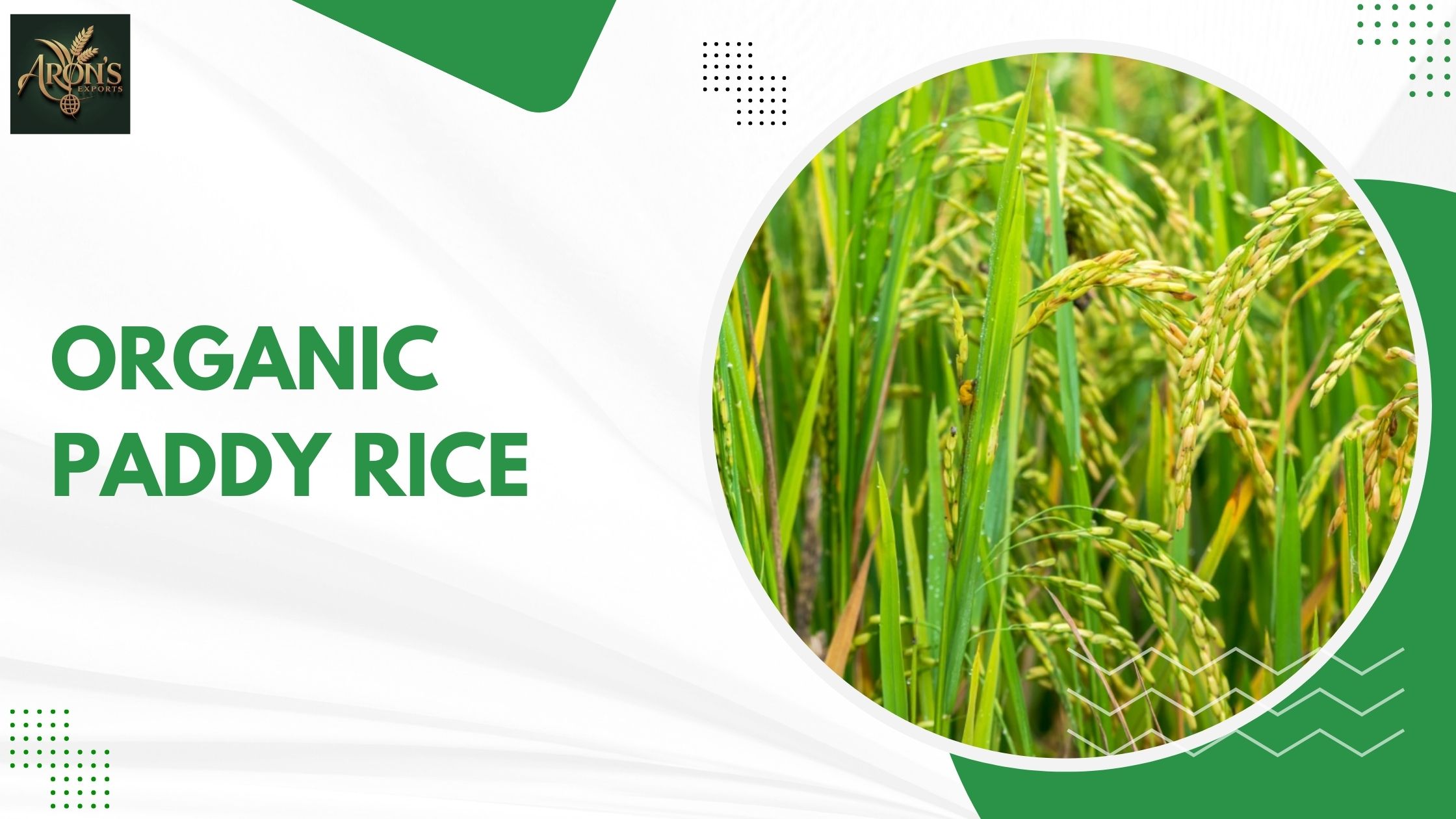
As global consumers continue to prioritize healthier and environmentally friendly food choices, the demand for Organic Paddy Rice has grown significantly. For farmers accustomed to conventional methods, the shift to organic farming can seem challenging—but it also offers long-term rewards including premium market prices, improved soil health, reduced input costs, and more resilient crop systems.
At Aron, we work with farmers, cooperatives, and agricultural partners to make the transition to organic rice cultivation as efficient and profitable as possible. Below, we outline the essential steps, challenges, and strategies involved in transforming your conventional rice operation into a thriving organic paddy rice farm.
1. Understand What “Organic Paddy Rice” Really Means
Transitioning to organic rice farming begins with understanding the standards involved. Organic certification requires eliminating chemical fertilizers, synthetic pesticides, genetically modified seeds, and harmful herbicides. Instead, the focus shifts to natural inputs, ecological balance, and soil biodiversity.
Key Requirements for Organic Production
Use of organic-approved fertilizers like compost, green manure, and bio-slurry.
Natural pest management, including biological controls and habitat diversification.
Strict avoidance of synthetic chemicals during both growth and post-harvest handling.
Maintaining buffer zones to prevent contamination from nearby conventional fields.
Aron provides guidance on certification standards and helps farmers meet the required guidelines step by step.
2. Start With a Soil Health Assessment
Healthy soil is the foundation of successful Organic Paddy Rice production. Unlike conventional farming, where chemical fertilizers can temporarily boost plant growth, organic systems build long-term fertility.
What to Evaluate
Nutrient levels (nitrogen, phosphorus, potassium)
Soil structure and water retention capacity
Organic matter percentage
Microbial activity
A soil test helps determine what organic amendments are needed. At Aron, we help farmers access soil testing services and interpret results to create an effective nutrient plan.
3. Replace Synthetic Inputs With Organic Alternatives
One of the biggest adjustments in organic rice farming is eliminating chemical fertilizers and pesticides. Fortunately, there are several effective natural alternatives that improve soil health and enhance crop resilience.
Organic Fertilizers to Consider
Compost and Vermicompost: Improve soil structure and nutrient cycling.
Green Manure Crops: Such as Sesbania or sunn hemp, which fix nitrogen naturally.
Biofertilizers: Including Rhizobium, Azospirillum, and phosphate-solubilizing bacteria.
Organic Pest Control Tools
Introduction of natural predators like frogs and beneficial insects.
Neem-based pesticides, which deter pests without harming the ecosystem.
Traps and pheromone lures for pest population management.
Crop rotations and trap crops to reduce disease pressure.
Aron supplies a range of organic inputs and provides training on their proper use.
4. Implement Organic Water and Weed Management Techniques
Weed control is often one of the toughest parts of organic farming because herbicides are not allowed. However, with careful planning, weeds can be effectively managed.
Recommended Weed Management Strategies
Mechanical weeders, such as cono weeders or rotary weeders.
Mulching with rice straw or organic materials to suppress weed growth.
Water-level management, including intermittent flooding, which reduces weed seed germination.
SRI (System of Rice Intensification) methods that encourage wider spacing and manual weeding.
Aron helps farmers access cost-effective weeding equipment suited for small and large farms.
5. Choose Seed Varieties Suited for Organic Farming
Not all rice varieties perform equally under organic conditions. Farmers should select varieties that offer natural resistance to pests and diseases, thrive under lower chemical inputs, and meet market demand for Organic Paddy Rice.
Characteristics to Look For
Strong root systems
Tolerance to drought, floods, or salinity
High tillering ability
Natural pest and disease resistance
Aron works with seed breeders to provide organic-friendly varieties that produce stable yields.
6. Develop a Long-Term Soil Fertility Plan
Organic farming is most successful when farmers think long-term. Building soil fertility is a continuous process that requires planning across multiple seasons.
Long-Term Fertility Tactics
Rotating rice with legumes to improve nitrogen levels
Adding organic matter after every harvest
Using rice husk ash and other agricultural by-products
Incorporating microbial inoculants to boost soil life
At Aron, we help farmers design multi-year fertility plans that enhance productivity while lowering input costs.
7. Keep Detailed Records for Organic Certification
Certification is a crucial part of selling Organic Paddy Rice at premium prices. Farmers must maintain accurate records of all inputs, field practices, water sources, and post-harvest handling.
Key Records Required
Fertilizer and compost application logs
Pest control measures
Water management details
Equipment cleaning procedures
Harvest and storage documentation
Aron supports farmers in preparing for organic audits by providing checklists and templates that simplify recordkeeping.
8. Prepare for the Conversion Period
Most certification bodies require a two- to three-year transition period before a field can be recognized as organic. This allows chemicals from previous seasons to break down and ensures the purity of organic grains.
During this time, farmers follow organic practices but may not yet sell their rice as certified organic. Aron helps farmers manage this transition period by identifying markets for “in-conversion” rice and optimizing yield during the adjustment phase.
9. Market Your Organic Paddy Rice Strategically
Once certified, farmers can command significantly higher prices in both local and international markets. Demand continues to rise in regions such as North America, Europe, and East Asia.
Effective Marketing Approaches
Partner with organic wholesalers and exporters
Sell through farmer cooperatives
Offer direct-to-consumer packaged organic rice
Highlight traceability and sustainability benefits
Aron connects farmers with trusted buyers and helps them understand global market trends for organic rice.
Conclusion: Building a Sustainable Future With Organic Paddy Rice
Transitioning from conventional to Organic Paddy Rice farming is a strategic investment that brings long-term rewards—improved soil fertility, reduced reliance on chemicals, healthier ecosystems, and access to high-value markets. While the shift requires planning and patience, the environmental and economic benefits make it a worthwhile journey.
At Aron, we are committed to supporting farmers at every stage of this transition. From soil assessment and organic input supply to market access and certification guidance, Aron ensures you have everything you need to succeed in organic rice production.