How does model making Dubai evaluate canopy expansion options?
Evaluating canopy expansion options is an important stage in Dubai’s fast-growing architectural landscape. The city develops outdoor spaces that must stay comfortable throughout the year. Canopies offer shade, reduce heat, and enhance the visual identity of public zones. When planners explore expansion options, they want to understand how added sections affect the space.
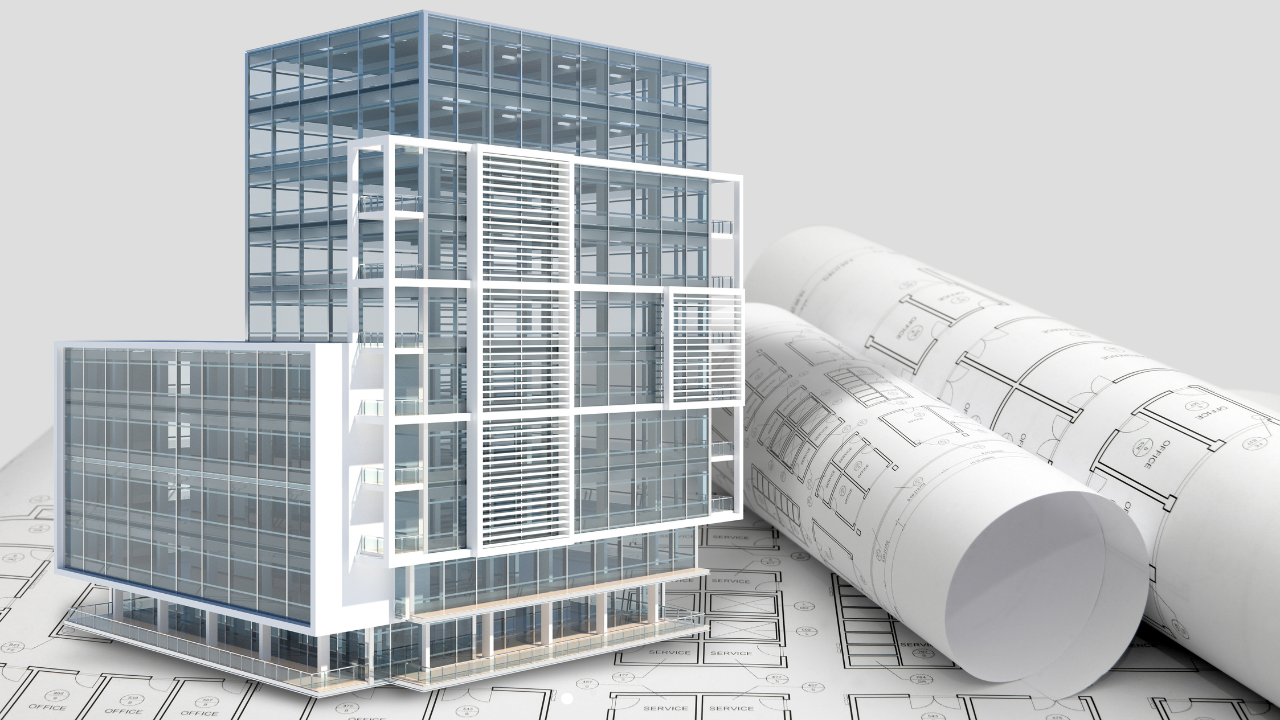
They must see how larger spans behave under sun, wind, and user flow. This is why physical analysis remains valuable in Dubai’s design industry. Many teams depend on model making to study massing, proportions, and environmental responses. It brings clarity before advanced engineering begins.
Why Canopy Expansion Needs Detailed Evaluation
Expanding a canopy sounds simple, but it affects many aspects of urban design. A larger canopy may block more sunlight. It may also change how wind moves between buildings. It can affect visibility, pedestrian comfort, and structural load paths. Dubai’s climate conditions make every change meaningful. The city faces intense heat, strong glare, and humidity shifts.
Designers must evaluate how expansion impacts comfort in plazas, sidewalks, and open retail zones. They must check how the extension affects nearby towers or podiums. They also must ensure safety during high-wind events. Early testing leads to a smooth approval process and a more efficient design outcome.
Testing Different Expansion Shapes
Canopy expansions can follow many shapes. Some extend forward as a flat slab. Others grow in layers. Some curve upward to direct airflow. Every shape influences the final experience. Physical models allow designers to compare shapes side by side. They can add detachable parts to the base structure. This lets them test different expansion versions quickly.
They observe how each shape interacts with light. They check how shadows fall across the ground. This is essential in Dubai outdoor environments. Longer shade coverage improves cooling. However, too much coverage may limit natural daylight in adjacent interiors. Small changes become easier to measure when teams use https://inoventive.com/architectural-model-making/">model making dubai for shape studies.
Studying Shadow Movement During Expansion
Shadow testing is one of the most important parts of canopy expansion. Dubai receives strong sunlight for most of the year. Expanding a canopy offers better shade, but the effect must be calculated. Designers simulate different times of day. They observe how the shadow pattern shifts across pedestrian routes.
They verify that the expanded canopy still provides balanced coverage during peak hours. They also ensure the extension does not create dark pockets that may feel unsafe. Seasonal testing matters too. Winter sun is lower. This changes the angle of shade. Model studies give a more natural sense of how light behaves on a broader surface. Many teams perform these tests because model making allows real light simulations.
Analysing Wind Flow With Expanded Sections
Wind response becomes more complex when a canopy expands. Larger surfaces may catch more wind. This can redirect airflow into narrow streets. It may also create turbulence zones around building edges. Designers test expansion options inside controlled airflow facilities. They use smoke trails or fine particles to see wind direction. They study movement under the canopy and around it.
A longer canopy may block cooling breezes. It may also create pressure points at connection joints. These findings help planners adjust the slope, the height, or the perforation pattern. They also help predict how the canopy behaves during stormy weather. This is why model making continues to play a strong role in wind studies.
Reviewing Pedestrian Flow and User Comfort
Canopy expansion changes how people use space. It creates new shaded pockets. It shifts the central walking path. It may create new waiting zones near shops or transport stops. Physical models show how much circulation space remains under the extended roof. Designers visualize how people gather during busy hours. This matters in high-traffic zones such as promenades, transport hubs, and mall entrances.
Expanded canopies must improve comfort without causing crowd bottlenecks. The model reveals where new seating, planters, or kiosks may fit. It also helps planners decide whether the expansion supports accessibility. Good pedestrian comfort increases footfall and improves the atmosphere of outdoor areas.
Checking Visual Balance With Surrounding Buildings
A canopy expansion affects the larger visual setting. Dubai developments often rely on a strong architectural identity. A canopy should enhance this identity, not interrupt it. Model studies help designers see whether the extended canopy creates a visual imbalance. They review how it appears from the street. They check how it aligns with tower lines and podium shapes.
They also study how the extended canopy frames the skyline. This helps them maintain a clean architectural dialogue. If the expansion feels too heavy or dominant, designers revise the form. Physical viewing makes this easier because model making provides real proportions that digital screens cannot fully deliver.
Evaluating Structural Feasibility
Every canopy expansion must follow safe engineering rules. Larger spans need stronger support. They may require new connection points. They might need material changes to handle wind loads. Physical models allow teams to test structural logic at an early stage.
They discuss frame direction, joint positions, and support spacing. These early conversations reduce the risk of unexpected challenges later. Structural clarity is important in Dubai’s busy districts. A poorly supported canopy can create safety hazards. Early visibility helps avoid redesigns during construction.
Testing Material Behavior on Expanded Surfaces
Expanded canopies often include new materials. They may use perforated metal, polycarbonate panels, or tensile membranes. Each material reacts differently to light and heat. The expansion must match existing material behavior. Designers use scaled surfaces to test transparency, reflectivity, and shading effect. This helps them choose materials that maintain comfort. It also ensures aesthetic consistency across the full canopy. These decisions guide the final design direction.
Conclusion
Evaluating canopy expansion options requires detailed testing. Designers must understand how the extension affects sunlight, wind, comfort, structure, and visual harmony. Dubai’s unique climate makes this process even more important. Physical testing offers clarity at each step. This is why model making remains a trusted method for studying canopy expansion. It helps teams refine ideas, avoid conflicts, and create well-balanced outdoor environments.