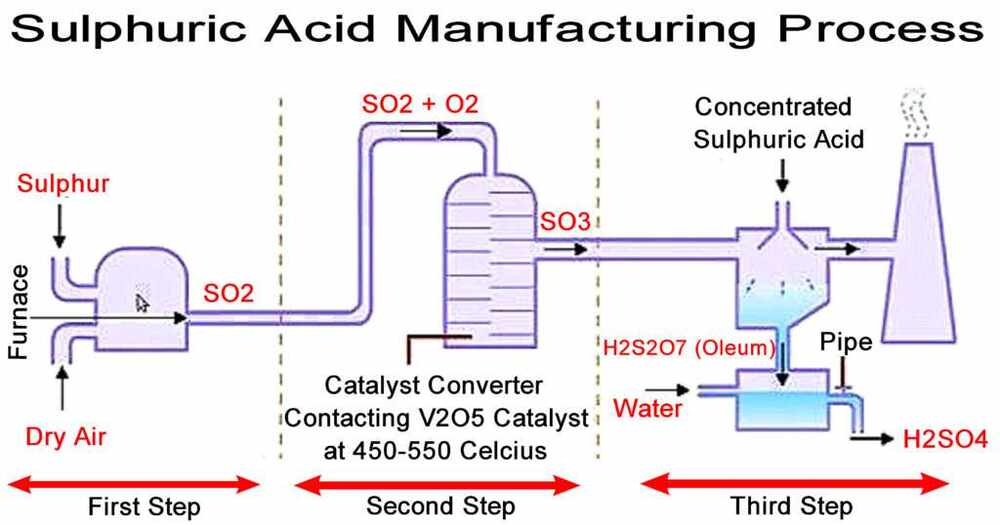
Sulfur Chemistry in Processing and Intermediate Applications
Sulfur chemistry plays a critical role in modern industrial processing. From refining and chemical manufacturing to agriculture and pharmaceuticals, sulfur-based compounds act as essential intermediates that enable efficiency, performance, and product consistency. As global industries push for higher yields, tighter specifications, and more sustainable operations, sulfur chemistry remains a cornerstone of process innovation.
This article provides an overview of sulfur chemistry in processing and intermediate applications, with a focus on how high-quality sulfur-based products support reliable and scalable industrial outcomes.
Understanding Sulfur Chemistry in Industrial Processing
At its core, sulfur chemistry involves the controlled transformation of sulfur and sulfur-containing compounds into functional intermediates. These intermediates are rarely the final product. Instead, they serve as building blocks, catalysts, or processing aids within larger chemical systems.
Common sulfur-based intermediates include sulfides, sulfates, sulfonates, and thiols. Each class has distinct chemical behaviors, making sulfur chemistry highly versatile. This versatility explains why sulfur compounds are used across such a wide range of industries, from heavy industrial processing to fine chemical synthesis.
In processing environments, sulfur chemistry is valued for its reactivity, selectivity, and cost-effectiveness. When managed correctly, sulfur compounds can enhance reaction control, improve product stability, and reduce downstream processing challenges.
Key Applications of Sulfur Chemistry as Intermediates
Chemical Manufacturing
Sulfur chemistry is fundamental to large-scale chemical production. Many acids, detergents, polymers, and specialty chemicals rely on sulfur-based intermediates during synthesis. Sulfonation and sulfation processes, for example, are widely used to modify molecular structures and improve solubility, reactivity, or performance.
Reliable sulfur intermediates help manufacturers maintain consistent batch quality, reduce impurities, and optimize reaction efficiency. This is especially important in continuous processing systems, where small variations can lead to significant operational issues.
Oil, Gas, and Refining Processes
In refining and energy-related industries, sulfur chemistry is closely tied to purification and treatment processes. Sulfur compounds are used in desulfurization, corrosion inhibition, and catalyst activation.
Intermediate sulfur chemicals help remove unwanted sulfur species from fuels while also protecting processing equipment. Proper sulfur chemistry management improves product compliance with environmental regulations and extends the lifespan of critical assets.
Agriculture and Nutrient Processing
Sulfur is an essential nutrient for plant growth, and sulfur chemistry plays a role in fertilizer production and soil conditioning. Sulfur-based intermediates are used to manufacture sulfate fertilizers and micronutrient blends that improve crop yield and nutrient uptake.
In processing facilities, consistent sulfur chemistry ensures uniform particle size, controlled release properties, and compatibility with other nutrients. This leads to better application efficiency and predictable agronomic performance.
Pharmaceuticals and Fine Chemicals
In pharmaceutical and specialty chemical manufacturing, sulfur chemistry is often involved in complex synthesis routes. Sulfur-containing intermediates contribute to molecular functionality, bioavailability, and stability.
Because these applications demand high purity and strict quality control, the selection of sulfur intermediates is critical. Well-characterized sulfur chemistry reduces the risk of side reactions and simplifies regulatory compliance.
Processing Benefits of High-Quality Sulfur-Based Products
The performance of sulfur chemistry in intermediate applications depends heavily on product quality and consistency. Impurities, moisture content, and particle variability can all affect downstream processing.
High-quality sulfur-based products offer several key advantages:
- Improved reaction control and predictability
- Reduced formation of unwanted byproducts
- Better compatibility with catalysts and additives
- Lower maintenance and equipment fouling risks
For processors operating at scale, these benefits translate into higher throughput, reduced downtime, and more stable product specifications.
Practical Considerations for Using Sulfur Chemistry
While sulfur chemistry offers significant benefits, it also requires careful handling and process design. Sulfur compounds can be reactive and, in some cases, hazardous if not managed properly.
Best practices include selecting the appropriate sulfur form for the application, ensuring proper storage conditions, and integrating accurate dosing and monitoring systems. Partnering with a supplier that understands both the chemistry and the processing environment helps minimize risk and improve performance.
Clear technical documentation, consistent supply, and responsive support are also essential when sulfur intermediates are part of a critical process step.
Our Approach to Sulfur Chemistry Solutions
Our sulfur chemistry portfolio is designed to support processing and intermediate applications across diverse industries. We focus on delivering sulfur-based products with consistent quality, controlled specifications, and reliable performance.
By aligning product design with real-world processing needs, we help customers improve efficiency, meet regulatory requirements, and scale operations with confidence. Our technical teams work closely with clients to ensure the selected sulfur chemistry integrates seamlessly into existing systems.
The Future of Sulfur Chemistry in Processing
As industries evolve, sulfur chemistry continues to adapt. Advances in process control, sustainability initiatives, and specialty chemical demand are driving innovation in sulfur-based intermediates.
Efficient sulfur chemistry will remain essential for enabling cleaner processes, higher-value products, and more resilient supply chains. For manufacturers and processors worldwide, investing in the right sulfur chemistry solutions is not just a technical decision, but a strategic one.
Article about " Sulfur Chemistry in Processing and Intermediate Applications " post by: toko belerang - https://belirangkalisari.id