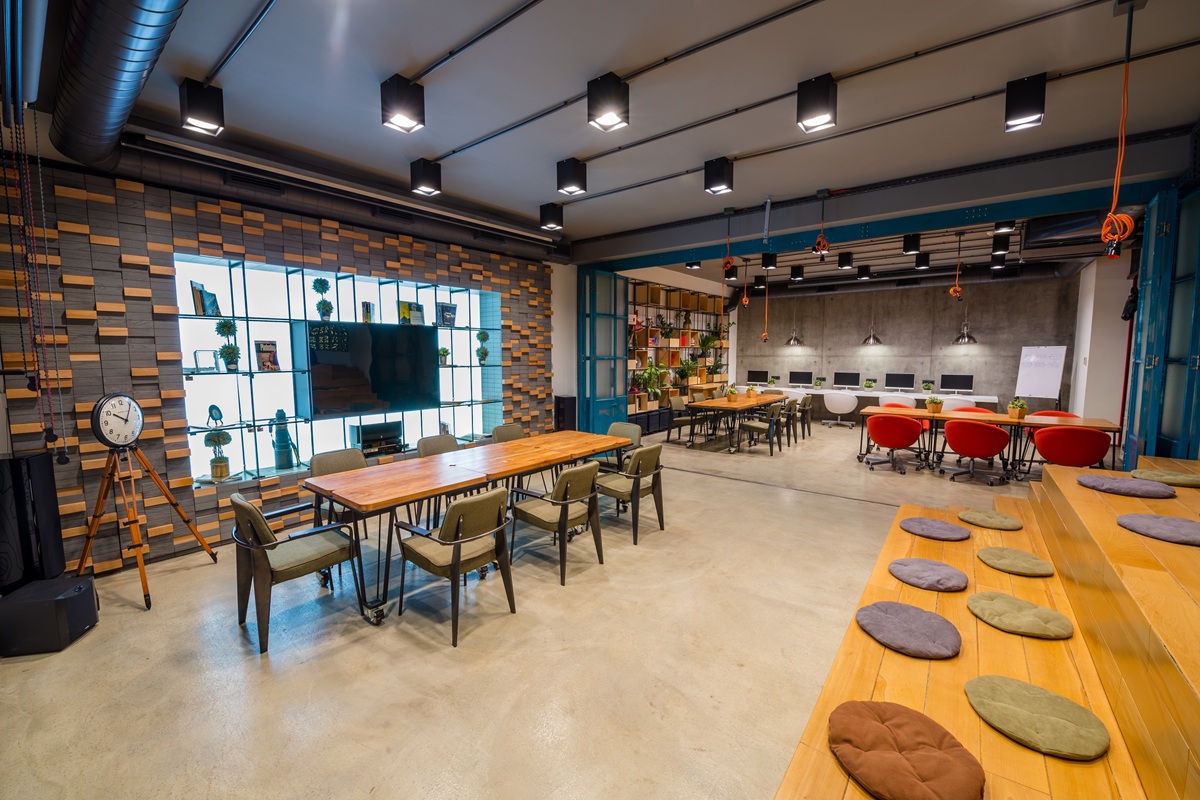
Office Fitouts: Creating Efficient and Stylish Workspaces
The moment someone steps into your workplace, they form an impression of your business. A thoughtfully designed office can inspire productivity, creativity, and collaboration, while a poorly planned space can feel restrictive and uninspiring. This is where Office Fitouts play a crucial role. More than just a cosmetic upgrade, Office Fitouts transform how a business functions day to day.
In today’s fast-paced business environment, especially across Australia’s major cities, companies are realising that strategic Office Fitouts are an investment in people, performance, and brand identity. From improving workflow to enhancing employee wellbeing, the right fitout can completely redefine a workplace. This guide explores everything you need to know about Office Fitouts, including trends, benefits, timelines, and how to achieve a workspace that is both efficient and stylish.
What Are Office Fitouts?
Office Fitouts refer to the process of designing and building an interior office space to suit a company’s operational needs and aesthetic goals. This can involve everything from layout planning and partitioning to installing lighting, flooring, furniture, and technology.
There are generally three main types of Office Fitouts:
- Shell and core fitouts, which prepare a basic structure with essential services
- Category A fitouts, which include ceilings, lighting, and basic mechanical services
- Category B fitouts, which are customised spaces designed around branding, workflow, and staff needs
Understanding these categories helps businesses determine the scope of their Office Fitouts and plan budgets and timelines more accurately.
Why Office Fitouts Matter for Business Success
Well-planned Office Fitouts directly impact how employees work and how clients perceive your brand. A functional workspace encourages productivity, reduces distractions, and supports collaboration. Meanwhile, a visually appealing office creates a professional image that builds trust with clients and stakeholders.
Modern Office Fitouts are designed with flexibility in mind. As teams grow or working styles change, adaptable spaces allow businesses to evolve without costly renovations. This forward-thinking approach makes Office Fitouts a strategic long-term investment rather than a short-term expense.
Modern Office Fitouts and Design Trends
Today’s Office Fitouts are a far cry from traditional cubicle-based layouts. Open, flexible spaces dominate modern designs, allowing teams to collaborate more naturally while still offering areas for focused work.
One major trend in Office Fitouts is biophilic design. Incorporating natural elements such as plants, timber finishes, and natural light improves air quality and boosts employee wellbeing. Studies consistently show that employees working in nature-inspired environments feel happier and more productive.
Sustainability is another key focus in modern Office Fitouts. Businesses are choosing energy-efficient lighting, recycled materials, and sustainable furniture. These eco-friendly choices reduce environmental impact and reflect positively on company values.
Technology integration has also become essential. Smart lighting, wireless connectivity, and integrated audiovisual systems are now standard features in high-quality Office Fitouts, supporting seamless communication and efficient workflows.
Small Office Fitouts: Maximising Space Without Compromise
For many businesses, especially in urban areas, space is limited. Smart Office Fitouts make even small offices feel functional and inviting.
Clever space planning is critical. Vertical storage, modular furniture, and multi-purpose areas help maximise usable space. Glass partitions are commonly used in Office Fitouts to maintain openness while providing acoustic separation.
Light colours, mirrors, and strategic lighting can make smaller offices feel larger and more welcoming. With expert planning, small Office Fitouts can deliver the same level of comfort and professionalism as larger spaces.
Innovative Office Fitouts Focused on Wellbeing
Innovative Office Fitouts place people at the centre of design. Employee wellbeing is now recognised as a major driver of productivity and job satisfaction.
Acoustic management is a key element of innovative Office Fitouts. Sound-absorbing materials, quiet zones, and private pods help balance collaboration with focused work. Ergonomic furniture, including sit-stand desks and supportive seating, promotes physical health.
Lighting and air quality are also prioritised. Natural light reduces eye strain and boosts mood, while good ventilation improves concentration. Some Office Fitouts even include wellness rooms, breakout spaces, and outdoor areas to encourage movement and relaxation.
How Long Do Office Fitouts Take?
The timeline for Office Fitouts depends on the size and complexity of the project. A simple refresh may take a few weeks, while a full transformation can take several months.
Factors influencing Office Fitouts timelines include:
- Project size and layout complexity
- Type of fitout required
- Approval and compliance processes
- Furniture and material lead times
- Condition of the existing space
On average, medium-sized Office Fitouts take between 8 and 12 weeks after design approval, with larger projects extending to 16 weeks or more. Proper planning and clear communication help keep timelines on track.
.jpg)
Common Office Fitout Mistakes to Avoid
Even well-planned Office Fitouts can encounter challenges if common mistakes are overlooked. One frequent issue is prioritising aesthetics over functionality. While design matters, practicality should always come first.
Another mistake is failing to involve employees in the planning process. Staff feedback provides valuable insights into daily workflow needs. Ignoring storage, power access, or acoustic requirements can also lead to long-term frustration.
Successful Office Fitouts balance style, comfort, and efficiency while planning for future growth.
The Office Fitout Process Explained
Most Office Fitouts follow a structured process. It begins with an initial consultation to understand goals, budget, and timelines. This is followed by the design phase, where layouts and concepts are developed.
Once designs are approved, procurement and construction begin. During this stage, trades complete installations while furniture and technology are integrated. The final phase involves quality checks, cleaning, and handover.
Working with experienced professionals ensures Office Fitouts run smoothly from start to finish.
Are Office Fitouts Worth the Investment?
The return on investment from Office Fitouts goes beyond financial metrics. Improved productivity, reduced absenteeism, and higher staff retention all contribute to long-term savings.
From a branding perspective, Office Fitouts enhance your professional image and help attract top talent. In competitive markets, a well-designed office can be a deciding factor for prospective employees.
Ultimately, Office Fitouts support business growth by creating environments where people feel motivated, comfortable, and proud to work.
Creating an Office That Works for Your Business
Well-executed Office Fitouts combine functionality, style, and flexibility. Whether you’re updating an existing workspace or designing a new one, thoughtful planning ensures your office supports both current needs and future growth.
By investing in quality Office Fitouts, businesses create spaces that reflect their culture, enhance wellbeing, and drive productivity. When done right, an office becomes more than a place to work—it becomes a strategic asset that empowers your team every day.