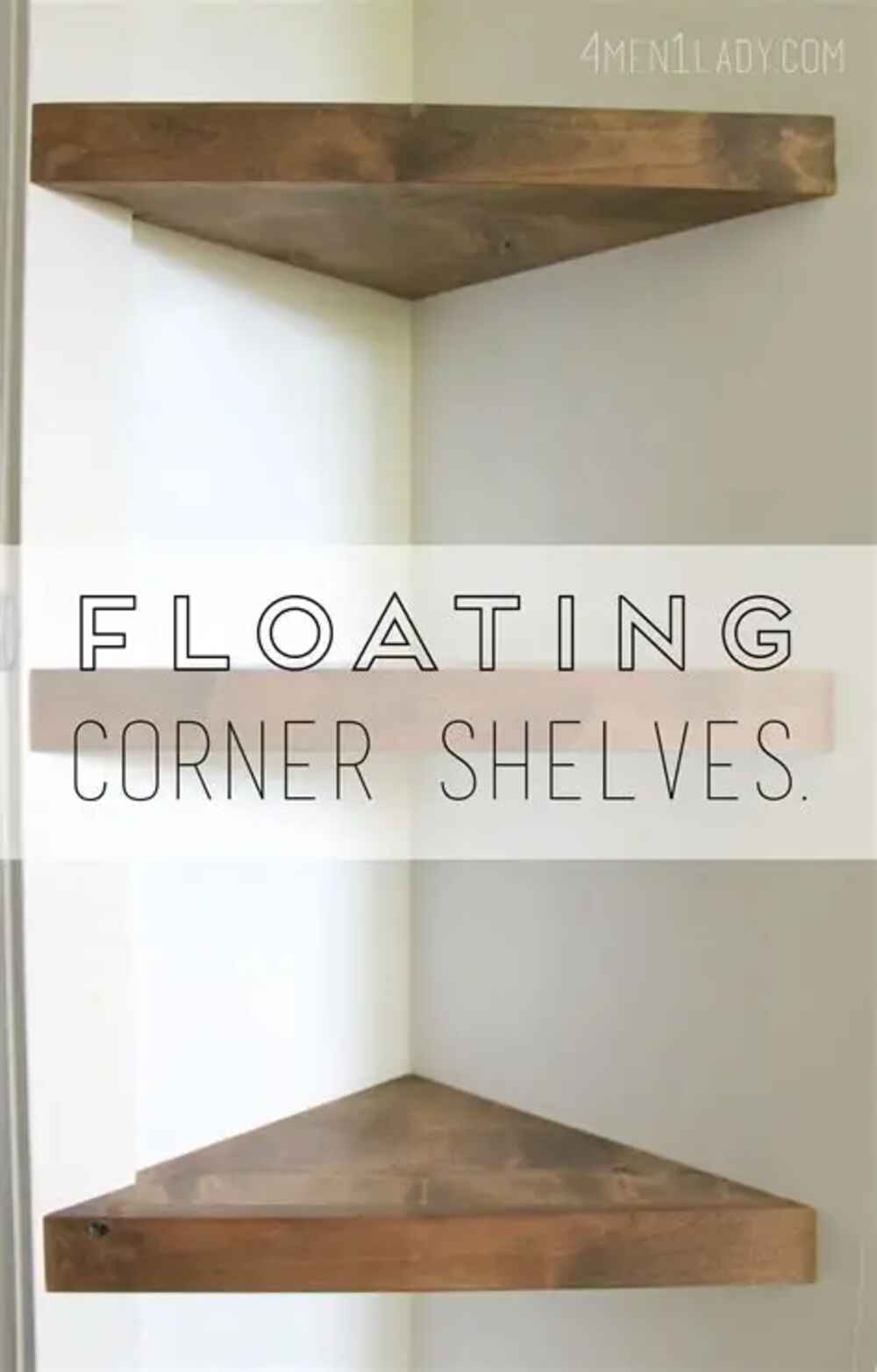
DIY Outdoor Corner Shelf: Weatherproof Construction Tips
Building an Outdoor Corner Shelf is a practical way to use under-utilized space on patios, balconies, and gardens. Whether the shelf will hold plants, lanterns, or outdoor essentials, the structure needs to stand up to UV exposure, rain, and seasonal temperature swings. This guide breaks down proven construction methods, materials to consider, and practical installation tips suitable for global climates.
Why Build an Outdoor Corner Shelf?
Corner shelving helps maximize space without crowding walkways. It also creates a vertical display area, which is especially useful in smaller outdoor settings. Unlike indoor shelving, though, outdoor units face ongoing weather stress, so every decision—from lumber choice to screw type—affects longevity. A well-built system can last for years with minimal upkeep.
Choose Materials That Handle the Elements
1. Pressure-Treated or Naturally Durable Wood
For most DIY projects, pressure-treated pine is the most accessible option. It resists rot, termites, and moisture. If you want a premium look, cedar and teak hold up well outdoors because of their natural oils. They’re more stable in humid climates and less likely to warp.
2. Composite and PVC Boards
Composite boards work well for an Outdoor Corner Shelf that needs maximum durability with minimal maintenance. They don’t absorb water, and they resist mold and UV fading. PVC trim boards also perform well in coastal or very wet areas where wood may shift over time.
3. Weather-Resistant Hardware
Use exterior-grade screws such as stainless steel or coated deck screws. Regular interior screws rust quickly outdoors. If you’re hanging the shelf on masonry or tile, select proper anchors designed for outdoor applications.
Plan for Drainage and Airflow
Shelves installed outdoors constantly face moisture. Allowing water to drain rather than settle is essential.
Shelf Slats Instead of Solid Panels
Instead of a full solid board, consider narrow slats spaced a few millimeters apart. This lets rainwater pass through and helps air circulation. Slats reduce the chance of rot and mold, especially in humid regions.
Back Spacing From the Wall
Leave a small gap—about the width of a pencil—between the shelf and the wall. This prevents trapped moisture and lets air move behind the unit.
Reinforce the Structure for Outdoor Conditions
Cross-Bracing for Stability
Outdoor furniture moves slightly with temperature changes. Adding diagonal braces or metal brackets keeps shelves from racking over time. This is especially important for tall three-tier or four-tier corner designs.
Heavier-Duty Wall Anchoring
If your Outdoor Corner Shelf mounts to siding or masonry, use heavy-duty brackets rated for exterior load. Stainless steel L-brackets or angle brackets provide strong support without corroding.
Secure the Front Edge
Exterior wood can cup or twist. Fasten the front edge of each shelf with two screws—one on each corner—to prevent curling and to keep the shelf straight.
Apply a True Weatherproof Finish
Oil-Based or High-Performance Exterior Coatings
Outdoor wood lasts longer when sealed properly. Use an oil-based exterior stain or a marine-grade spar varnish. These finishes move with the wood as it expands and shrinks.
A light sanding between coats helps the finish bond, and two to three thin coats perform better than one thick layer.
UV-Resistant Topcoat
Sunlight is as damaging as moisture. Adding a UV-resistant topcoat slows fading and reduces cracking. Composites generally don’t need extra coating, but a protective wash keeps them looking clean.
Install With Long-Term Use in Mind
Height and Placement
Mount the lowest shelf at least 6–8 centimeters above the ground or decking. Keeping the structure off the surface reduces standing-water contact and protects against splashing during rain.
Wind Considerations
If you live in a windy region, avoid overly deep shelves that can catch gusts. A depth of 20–25 centimeters keeps items secure without creating a sail effect. In exposed areas, fasten the entire unit directly into studs or masonry instead of relying only on surface-mounted screws.
Load Distribution
Plan for what the shelf will hold. Potted plants are surprisingly heavy when wet. As a rule, reinforce any shelf meant to carry more than 5–7 kilograms. Spread the load across brackets instead of relying on a single mounting point.
Maintenance Tips to Extend Life
Even a well-built Outdoor Corner Shelf benefits from a simple maintenance routine:
Clean dirt buildup twice a year with a mild detergent.
Reapply protective finishes every one to two years depending on sun exposure.
Tighten screws annually to counter natural expansion and contraction.
Check for early signs of mold behind the shelf, especially in humid climates.
These small steps prevent small issues from becoming structural damage.
Example Build: Three-Tier Triangular Corner Shelf
For a clean, modern design:
Cut three triangular shelves from 25 mm thick cedar or composite board.
Sand the edges smooth to prevent splintering.
Use two stainless steel brackets per shelf, placed near the wall edges.
Space the shelves 25–30 centimeters apart vertically.
Finish wood with an exterior oil or leave composite unfinished.
This simple setup works well on balconies or beside outdoor seating.
Final Thoughts
A durable Outdoor Corner Shelf isn’t complicated to build, but it requires attention to materials and weatherproofing. When you choose the right wood or composite, use exterior-grade hardware, and allow for proper drainage, the shelf stays solid through rain, sun, and seasonal changes. With these construction tips, you can create a corner fixture that looks good, performs well, and lasts far longer than basic indoor-style shelving placed outdoors.
Article by: pvc board sidoarjo - https://www.gstarboard.com