Common Mistakes in Chicken Manure Composting and How to Avoid Them
Chicken manure is one of the most powerful natural soil enhancers when handled correctly. Its rich nutrient content makes it an excellent fertilizer for improving soil fertility and crop yield. However, improper handling and processing can turn this valuable resource into a major problem for farmers. At Qlfarms, we help farmers improve soil health by promoting safe and efficient Chicken Manure Composting methods and supporting the growing use of Organic Fertilizer in Vietnam. In this article, we explore the most common mistakes in chicken manure composting and how to avoid them to achieve the best results.
Mistake 1: Using Fresh Chicken Manure Directly on Crops
One of the most common mistakes farmers make is applying fresh chicken manure directly to the soil. Fresh manure contains very high levels of ammonia and nitrogen, which can burn plant roots and damage young crops.
How to Avoid It:
Always compost chicken manure before applying it to your fields. Proper Chicken Manure Composting allows harmful pathogens and excess ammonia to break down. Qlfarms recommends composting manure for several weeks until it becomes dark, crumbly, and odorless. This process transforms raw waste into safe and effective Organic Fertilizer in Vietnam.
Mistake 2: Incorrect Carbon-to-Nitrogen (C:N) Ratio
Chicken manure is very high in nitrogen, which is beneficial but can cause problems if not balanced. A common mistake is failing to mix manure with enough carbon-rich materials such as straw, dried leaves, sawdust, or rice husk.
When the carbon-to-nitrogen ratio is too low, the compost pile becomes too hot, smells bad, and loses valuable nitrogen through gas release.
How to Avoid It:
Mix chicken manure with dry organic materials in the right proportion. Maintain a balanced mixture so that the compost can heat up properly without excessive odor. Proper Chicken Manure Composting ensures that nutrients are preserved, making it a high-quality Organic Fertilizer in Vietnam.
Mistake 3: Poor Aeration of the Compost Pile
Many farmers create compost piles and leave them untouched for weeks. Lack of oxygen leads to anaerobic conditions, causing bad smells, slow decomposition, and harmful bacteria growth.
How to Avoid It:
Turn the compost pile regularly to allow air to flow through the material. This encourages aerobic bacteria, which break down the organic matter more effectively. With good aeration, Chicken Manure Composting becomes faster, cleaner, and more efficient.
At Qlfarms, we educate farmers on simple compost turning techniques that improve the final compost quality.
Mistake 4: Incorrect Moisture Levels
Moisture plays a very important role in composting. Too much water can make the pile soggy and block oxygen, while too little moisture slows down microbial activity.
Farmers often make the mistake of letting rain soak the compost pile or placing it in areas with poor drainage.
How to Avoid It:
Maintain a moisture level similar to a squeezed-out sponge. The compost should feel damp but not wet. Cover the pile during heavy rain and keep it in a well-drained area. Balanced moisture supports healthy Chicken Manure Composting and ensures the production of nutrient-rich Organic Fertilizer in Vietnam.
Mistake 5: Not Monitoring Temperature
Temperature is a key indicator of successful composting. Many farmers do not check the internal temperature of their compost piles.
If the pile does not heat up properly, harmful pathogens and weed seeds may survive in the compost.
How to Avoid It:
Monitor compost temperature regularly. A healthy compost pile should reach high temperatures during the active phase of Chicken Manure Composting. Turning the pile when temperatures drop helps restart the process and ensures safe, high-quality compost that meets the standards of Organic Fertilizer in Vietnam.
Mistake 6: Composting in the Wrong Location
The location of the compost pile also matters. Placing it in low-lying areas can cause waterlogging, while placing it too close to water sources may lead to contamination.
How to Avoid It:
Choose a dry, shaded, and well-drained location for composting. The site should be away from wells and water bodies to prevent pollution. Proper location planning makes Chicken Manure Composting safer and more environmentally responsible.
At Qlfarms, we guide farmers on choosing appropriate composting sites to protect both soil and water quality.
Mistake 7: Using Compost Before It Is Fully Mature
Impatience is another common mistake. Many farmers use compost before it has fully matured, thinking it will benefit crops faster. Immature compost can still generate heat and release gases that may harm plants.
How to Avoid It:
Allow enough time for the compost to finish the process. Fully matured compost is dark, crumbly, and has an earthy smell. Completed Chicken Manure Composting produces stable organic matter that works as an excellent Organic Fertilizer in Vietnam.
Mistake 8: Ignoring Safety and Hygiene Practices
Improper handling of raw manure can expose farmers to harmful pathogens and bacteria. Many farmers fail to use basic protective measures.
How to Avoid It:
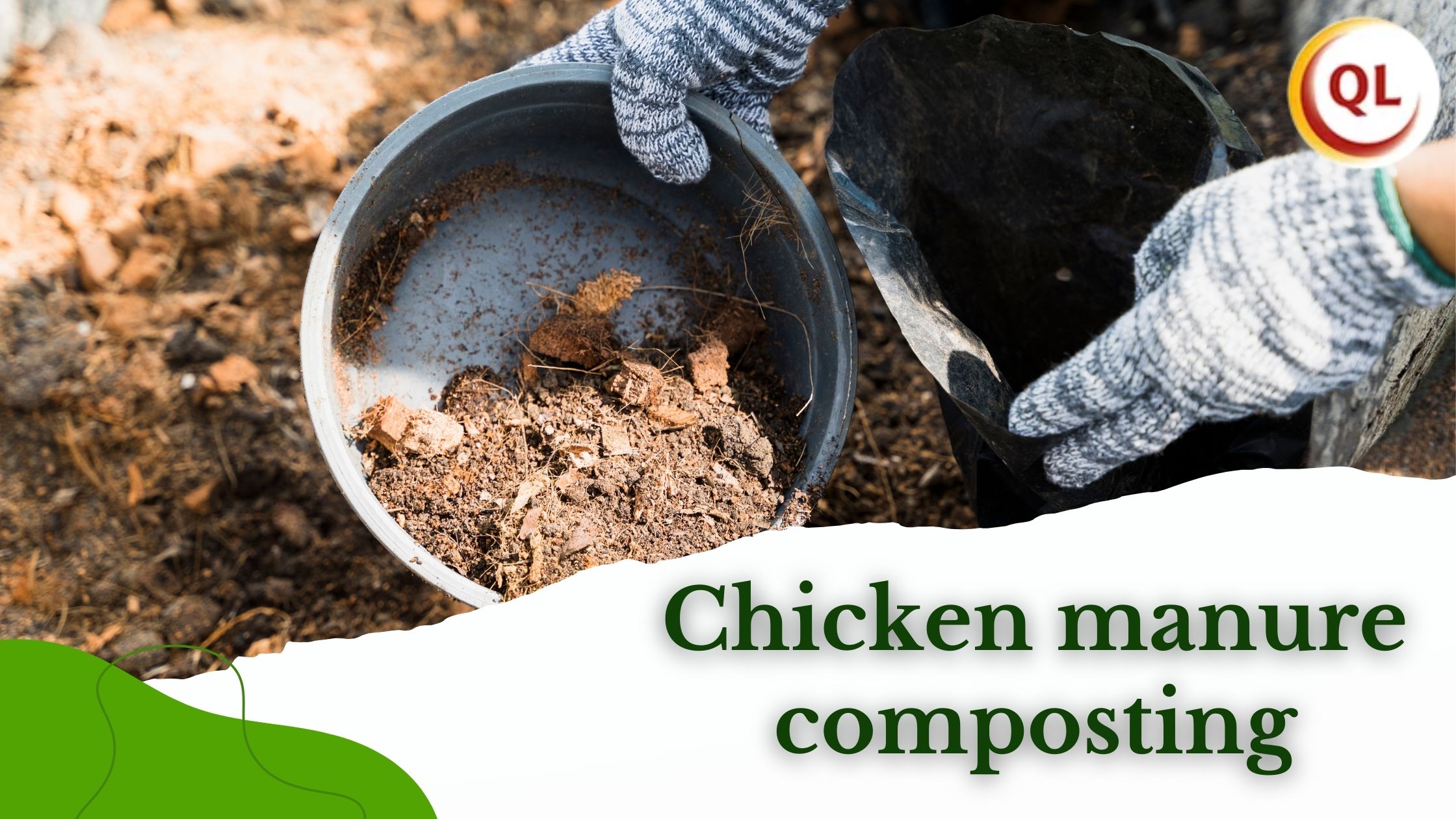
Always use gloves and basic safety gear when handling raw chicken manure. Wash hands thoroughly after working with compost materials. Safe handling ensures that Chicken Manure Composting remains a safe and hygienic process.
Qlfarms emphasizes farmer safety as a core part of responsible organic farming.
How Qlfarms Supports Better Composting Practices
At Qlfarms, our mission is to help farmers turn waste into valuable organic resources. We provide guidance, training, and product solutions that promote efficient Chicken Manure Composting and safe use of Organic Fertilizer in Vietnam.
Our experts help farmers avoid common mistakes, improve compost quality, and achieve better yields through natural soil improvement techniques. By promoting best practices, we help protect soil health, water resources, and long-term farm sustainability.
Conclusion
Mistakes in Chicken Manure Composting can reduce the effectiveness of this valuable natural resource and even harm crops and soil. By avoiding common errors such as using fresh manure, poor aeration, incorrect moisture levels, and premature use, farmers can produce high-quality compost.
With the right approach and support from Qlfarms, farmers can create safe, nutrient-rich compost and contribute to the growing movement of Organic Fertilizer in Vietnam. Proper composting not only improves crop productivity but also supports a healthier environment and a more sustainable agricultural future.