Choosing the Right Fiber Laser Marking Machine for Your Business
Understanding Fiber Laser Marking Technology
Fiber laser marking technology has rapidly become an essential tool across a variety of industries due to its precision, speed, and durability. This technology uses a highly focused beam of light to create marks, symbols, barcodes, and brand information on a range of materials. Because it can etch fine details with high contrast without requiring consumables or frequent maintenance, many modern businesses have begun to depend on fiber laser systems for branding, traceability, and compliance purposes. Before selecting a system, it's crucial to understand how the technology works and how it can be customized to meet business needs.
Evaluating Your Material Requirements
The first step in choosing a fiber laser marking machine is understanding the materials you will be working with. Fiber laser systems are known for handling metals exceptionally well, including stainless steel, aluminum, brass, and other alloys. However, they also perform effectively on non-metallic materials such as plastics, ceramics, and certain polymers. The type of surface you are marking, whether it is curved, flat, textured, or polished, will influence the type of machine, lens, and marking settings required. Additionally, the reflectivity and heat resistance of your material impact how the beam interacts with the surface, which can affect the depth and visual clarity of the final mark.
Considering Output Quality and Speed
Every business aims to achieve the perfect balance between marking quality and production speed. For enterprises dealing with high-volume orders or needing to maintain strict manufacturing timelines, the marking speed of the machine becomes just as critical as the visual sharpness of the output. Some machines are optimized for fine, detailed work at slower speeds, while others are designed to mark larger batches quickly with slightly lower resolution. Understanding your priority—whether it’s precision and intricacy or batch efficiency—helps narrow down the best marking solution.
Assessing Power and Performance
The power rating of a fiber laser unit significantly affects its cutting and marking abilities. Lower-powered machines are suitable for light engraving, identification markings, or subtle branding. In contrast, higher wattage machines are capable of deep engraving, making them ideal for markings that need to withstand harsh environments or extensive wear and tear. Choosing the wrong power for your application may either limit your capabilities or lead to higher energy usage than necessary. It's always sensible to plan for long-term use and consider potential upgrades in production requirements.
Machine Size and Workspace Integration
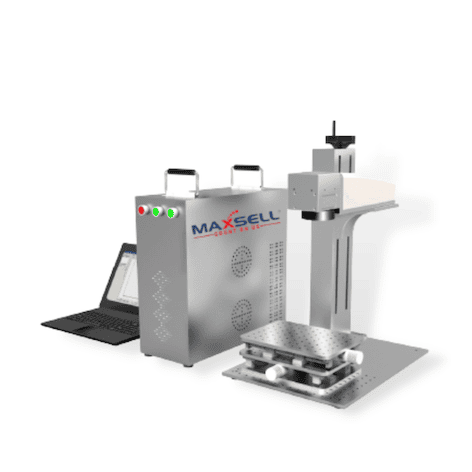
Another key factor is the physical space available in your production area. Fiber laser systems come in various sizes, from compact desktop models ideal for small enterprises to larger industrial-grade units suitable for factory environments. Before purchasing, think about where the machine will be installed—on a bench, in a dedicated marking station, or integrated into a production line. Pay attention to available ventilation, power access, and operator movement. A good machine doesn’t just fit your product, it fits your workspace too.
Software and User Interface
Most modern fiber laser machines come with built-in control software that supports design import, customization, and configuration of marking parameters. When evaluating options, look for intuitive software with features such as drag-and-drop design, real-time previews, and compatibility with common design formats. A user-friendly interface allows teams to adapt quickly, reducing training time, minimizing operational errors, and improving efficiency. It’s also essential to consider software scalability if your marking needs evolve over time.
Maintenance and Lifespan
A fiber laser system is an investment, so understanding its ongoing maintenance needs and expected lifespan is crucial. Unlike traditional marking methods that rely on inks or chemicals, fiber laser systems generally require very little maintenance because they have fewer moving parts and no consumables. However, it’s wise to explore the ease of cleaning, cooling mechanisms, and servicing options before purchasing. A durable machine with minimal downtime ensures high productivity and lower total cost of ownership.
Safety and Compliance
Safety is another vital aspect when working with any laser equipment. Fiber laser machines should come with appropriate safety enclosures, interlock systems, and compliance certifications to protect operators from harmful laser radiation. Also, consider features like fume extraction and ergonomic controls to ensure a safe and comfortable working environment. A machine that meets these standards not only protects your team but also reinforces your commitment to workplace compliance.
Making the Investment
Choosing a fiber laser system is not just a technical decision but a strategic one. Before making the investment, consider your business goals, production requirements, and growth plans. Whether you're enhancing product traceability, branding components, or boosting manufacturing efficiency, the right machine can open new opportunities, reduce long-term costs, and give your business a competitive edge. Doing proper research and understanding your unique requirements will help you make the best decision and ensure that the investment pays off in the long run.